
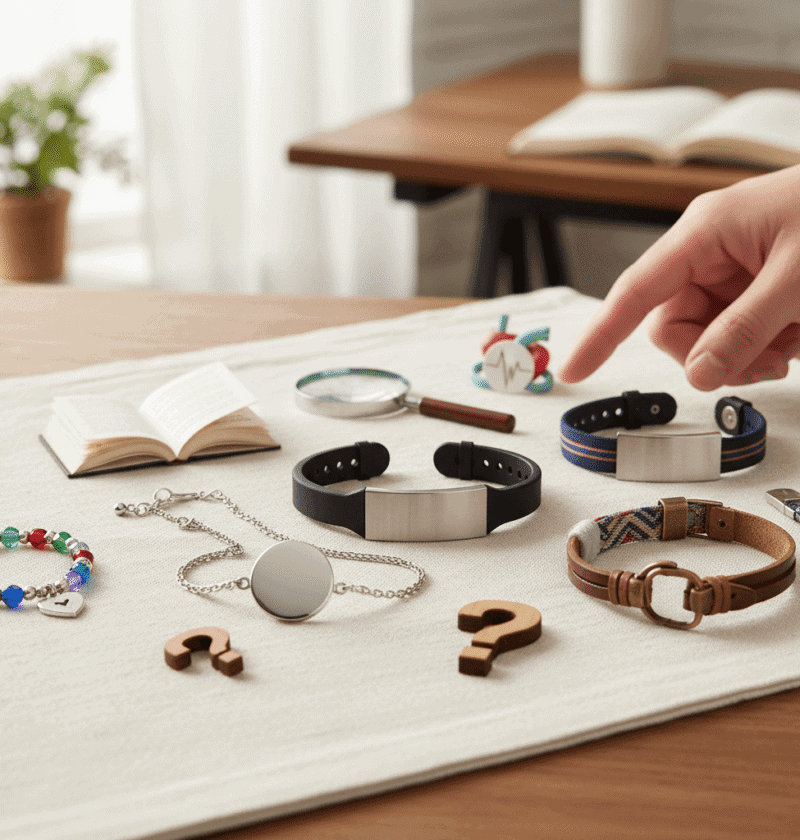
Choosing the right medical alert bracelet is a small step that can have a major payoff when it comes to health and safety. Whether you are selecting one for yourself or for a loved one, this purchase blends practical needs with daily comfort. In this article I will walk you through the key factors to weigh so your decision is confident and well informed.
Expect clear examples, hands on tips, and simple checks you can use when shopping. I focus on features that change outcomes in an emergency and on everyday traits that make wearing a bracelet sustainable over months and years. Read on to learn what really matters and how to match a device to individual needs.
Why a medical alert bracelet makes a difference in an emergency
First responders and emergency room staff rely on clear, accurate information when minutes matter. A visible medical ID can speed diagnosis and treatment for conditions such as severe allergies, diabetes, epilepsy, implanted devices, and blood thinners. A bracelet that lists critical facts can prevent dangerous medication errors and reduce time to appropriate care.
Beyond medical facts a bracelet signals to bystanders that the person may need help. That simple cue often leads to faster first aid and quicker arrival of emergency services. For someone with memory loss or a condition that affects communication a medical ID can be life changing.
Key features to check when selecting a medical alert bracelet
Not all medical IDs are created equal. Here are the features that have the biggest impact on usefulness and safety.
- Clear engraving readable text matters. Use full names of conditions and medications when possible rather than vague terms. Abbreviations can be misunderstood.
- Emergency contact information list at least one phone number and a relationship such as daughter, son, or caregiver. If space allows include a backup contact.
- Medical conditions and allergies include life threatening allergies and conditions that would change treatment such as pacemaker or insulin dependent diabetes.
- Medication list include any meds that could change emergency care, especially blood thinners and psychiatric medications.
- Customizability confirm the provider can update engraving or linked records as conditions change.
- Visibility choose a style with a clear contrast between text and background to help first responders read information quickly.
Medical ID information that should never be omitted
At minimum include the wearer name, primary medical condition, critical allergies, and a phone number for a contact. If the wearer has cognitive impairment add a phrase that indicates their memory status. For implanted devices add the device type and date if space allows.
Technology options that matter
Traditional engraved plates remain reliable since they require no power and are always readable. Newer options offer QR codes or USB style profiles that link to a longer medical record. If you opt for a digital solution check battery life, water resistance, and whether first responders in your area are likely to scan codes or use apps to access information.
Materials and comfort considerations for daily wear
Your bracelet will be most useful if it is worn all the time. Comfort and material choice have a big role in that. Metal bands can be durable and look like jewelry but may feel heavy to some wearers. Silicone bands are lightweight and water resistant but may trap sweat on hot days. Leather can look elegant but may not hold up with bathing and frequent exposure to moisture.
- Hypoallergenic metals such as titanium and surgical grade stainless steel reduce the risk of skin reactions.
- Water resistance matters if the wearer swims or showers with the bracelet.
- Weight and thickness choose a slim profile for daily wear and a thicker option only if you need added durability.
- Style preferences match the look to the wearers taste so they are more likely to keep it on.
Sizing, fastening types and visibility options
Proper fit prevents loss and adds comfort. Measure wrist circumference and consult the manufacturer sizing chart rather than guessing. If the wearer has tremors or limited dexterity choose a clasp that locks easily or a slip on band. For people with arthritis a magnetic clasp can be easier to manage but check that it locks securely.
- Slip on good for those who prefer no clasps but make sure the band fits snugly.
- Buckle or clasp offers adjustable fit and is more secure for active users.
- Stretch bands can be convenient but may wear out faster over time.
- High visibility fluorescent bands help in low light while discreet metal plates may suit those who prefer subtlety.
Maintenance, updating records and long term use
Keeping information current is as important as the initial purchase. Set calendar reminders to check the engraved plate and any linked digital profile every six months or whenever medications change. Replace bands that show wear or fading. For devices with electronic components follow manufacturer guidance on battery replacement and software updates.
When engraving is full consider using a small web address or phone number that links to a longer record rather than trying to squeeze everything onto a small plate. A well maintained bracelet keeps first responders from encountering outdated or incomplete data.
Privacy and legal considerations for medical IDs
Some wearable medical systems store personal data online. Review privacy policies to understand who can access records and how long data is retained. For registered wallets with profiles note what happens if the service discontinues accounts or if a subscription is required. Keep printed copies of critical medical information in another spot to reduce dependency on a single system.
Insurance and billing questions to check
Most basic medical alert bracelets are paid out of pocket. If you choose a monitored service that includes emergency response verify what fees apply and whether local emergency services will be billed. Some insurers or benefit programs may cover or partially cover the cost for qualified patients so it is worth checking with your provider.
When to involve legal documents
If a person has an advance directive or medical order for life sustaining treatment consider having a notation on the bracelet that guides first responders to check for those documents. Keep legal papers accessible and make sure family and caregivers know their location.
How to compare brands and real user tips for buying
Not every brand offers the same level of reliability and customer service. Evaluate guarantees, return policies, and the clarity of how updates are handled. Read user reviews focusing on real life durability and how responsive the company is to update requests. For people with specific health conditions reach out to support staff to confirm the product fits clinical needs.
For side by side comparisons use a short checklist covering material, engraving options, digital features, size range, clasp type, water resistance, and warranty. Practical trial can reveal issues that specs do not show so take advantage of return windows to test fit and legibility.
If you want a starting point when reviewing vendors see this article about choosing a medical alert bracelet which discusses common pitfalls and questions to ask customer support.
Practical everyday tips that make a bracelet more effective
- Wear it daily a medical ID only works when it is worn. Keep it on during sleep if the wearer might need help at night.
- Match style to routine swimmers should choose water resistant bands and people who work with hands on tasks may prefer tough metals.
- Keep spare contact cards
- Teach frequent contacts make sure family and caregivers know how to update the record and where to find legal documents.
- Test readability ask someone who does not know the wearer to read the engraving from several feet away to confirm clarity.
Choosing a medical alert bracelet is a practical decision with lasting impact. The best option balances clear, accurate information with a comfortable design that the wearer will keep on. Think beyond the first purchase and plan for updates inspections and realistic daily use. Use a simple checklist when comparing options and do a hands on trial when possible.
If you are ready to pick a bracelet take a moment to list the medical facts that must appear then match those needs to band style and technology. Try at least two styles for a week each to compare comfort and legibility. When you buy pick a vendor with a reasonable return policy and clear update procedures. A small step now can make critical information available when it matters most.


