Keeping plumbing pipes in good shape matters a lot for anyone owning a home because it keeps the whole system running like a well-oiled machine. Doing checkups on pipes stops expensive repairs from sneaking up, cuts down on wasted water, and makes pipes last way longer. Imagine finding out simple tricks that keep pipes from acting up, saving money, and avoiding messy leaks that flood your place. Whether dealing with old pipes or new ones, knowing these secrets can save a headache and boost home value. Stick around to uncover these game-changing tips that turn pipe problems into smooth sailing.
1. Understand Your Plumbing System
Before diving into maintenance, it’s important to have a basic understanding of your plumbing system. Know the layout of your pipes, where they are located, and what materials they are made of. Common plumbing materials include PVC, copper, and galvanized steel. Each type has different maintenance needs and vulnerabilities.
Tip: Create a plumbing map
Drawing a simple map of your plumbing system can be helpful. Include the locations of main pipes, fixtures, and shut-off valves. This will assist you in troubleshooting problems in the future.
2. Regular Inspections
Conduct regular inspections of your plumbing system to catch potential issues early. Check for signs of leaks, corrosion, or blockages. Pay attention to:
- Visible Pipes: Look for discoloration, rust, or moisture around pipes.
- Water Pressure: Notice any sudden changes in water pressure, which could indicate a blockage or leak.
- Water Meter: Keep an eye on your water meter. A continually running meter when no water is being used can indicate a leak.
Tip: Schedule professional inspections
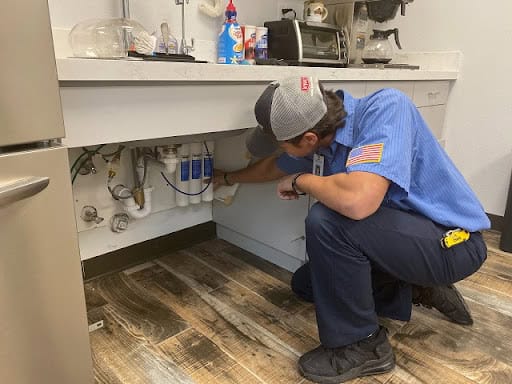
While DIY inspections are helpful, consider hiring a professional plumber to conduct a thorough inspection every few years. They can identify issues that may not be visible to the untrained eye.
3. Keep Drains Clear
Clogged drains are a common plumbing problem that can lead to bigger issues if not addressed promptly. To prevent clogs:
- Use Drain Screens: Install screens in sinks and shower drains to catch hair and food particles.
- Avoid Flushing Unapproved Items: Only flush toilet paper and human waste. Avoid flushing wipes, cotton balls, or feminine hygiene products.
Tip: Regularly clean your drains
Consider using a mixture of baking soda and vinegar to clear minor clogs and maintain drain cleanliness. Pour one cup of baking soda followed by one cup of vinegar down the drain. Let it sit for 30 minutes, then flush with hot water.
4. Monitor Water Pressure
High water pressure can be damaging to your pipes over time, leading to leaks and bursts. You can test your water pressure using a pressure gauge, which can be found at hardware stores. Ideal water pressure is typically between 40-60 psi.
Tip: Install a pressure regulator
If your water pressure is consistently high, consider installing a pressure regulator. This device can help maintain optimal pressure levels, protecting your plumbing system from potential damage.
5. Know Your Shut-Off Valves
Every homeowner should know the location of the main water shut-off valve and any individual shut-off valves for fixtures. In an emergency, you may need to quickly turn off the water supply to prevent flooding or extensive damage.
Tip: Test your shut-off valves
Regularly test your shut-off valves to ensure they are functioning properly. Turn them off and on periodically to prevent them from seizing up.
6. Protect Pipes in Cold Weather
In colder climates, frozen pipes can lead to serious damage. To prevent this:
- Insulate Exposed Pipes: Use foam insulation sleeves or pipe insulation tape to protect pipes in unheated areas.
- Keep Heat On: During extreme cold, keep your thermostat set to a consistent temperature, even when you’re away from home.
Tip: Let faucets drip
During very cold weather, letting a faucet drip slightly can help prevent pipes from freezing. Moving water is less likely to freeze, providing some added protection.
7. Be Mindful of What You Pour Down the Sink
Certain substances can cause significant damage to your plumbing. Avoid pouring the following down your sink:
- Grease and Oils: These can solidify in your pipes and lead to clogs.
- Coffee Grounds: They can accumulate and create blockages.
- Chemical Drain Cleaners: While they may provide a quick fix, they can also damage pipes over time.
Tip: Dispose of waste properly
Instead of pouring substances down the sink, dispose of waste properly. Use a compost bin for food scraps and pour fats and oils into a container to throw away.
8. Keep an Eye on Your Water Heater
Your water heater is an essential part of your plumbing system. Regular maintenance can extend its lifespan and improve efficiency.
- Flush the Tank: Sediment can build up in your water heater, affecting performance. Flush the tank annually to remove sediment buildup.
- Check the Anode Rod: This rod helps prevent corrosion. Inspect it every few years and replace it if necessary.
Tip: Consider a timer
If you have a traditional water heater, consider installing a timer. This can help reduce energy costs by ensuring the heater operates only when needed.
9. Educate Your Family
Educating your family about plumbing care is essential. Teach children what can and cannot be flushed and the importance of conserving water.
Tip: Create a plumbing care checklist
Develop a simple checklist of plumbing maintenance tasks that everyone can follow. Include regular inspections, drain cleaning, and awareness of the water shut-off valves.
10. Stay Proactive with Repairs
If you notice any plumbing issues, address them immediately. Delaying repairs can lead to more extensive damage and costly repairs down the line. Common issues to watch for include:
- Leaky Faucets: A small drip can waste gallons of water over time.
- Running Toilets: This can significantly increase your water bill.
- Visible Water Damage: Check for stains or warping around pipes and fixtures.
Tip: Keep a plumbing emergency kit
Having a plumbing emergency kit on hand can help you handle minor issues before they escalate. Include items like plumber’s tape, a plunger, and a wrench.
Conclusion
Maintaining your plumbing pipes is essential for ensuring a smooth-running home. By following these tips, you can prevent major issues, save money, and prolong the life of your plumbing system. Regular inspections and proactive maintenance are key to a healthy plumbing system. If you ever face a plumbing emergency or need assistance, don’t hesitate to contact professionals who specialize in emergency plumbing services. For more information, check out https://hi-techplumbingandair.com/plumbing/emergency-plumbing/.